Bagbin urges united African push for fairer debt system and governance reforms
Ghana’s parliamentary speaker, Alban Bagbin, has urged African countries to unite in seeking a fairer global financial system. He also called for stronger domestic financial governance and public-sector reforms to address the continent’s debt challenges.
graphic.com.ghBagbin rallies Africa for fairer global financial system
allafrica.comAfrica: Africa Must Change Its Approach to Debt - Speaker
myjoyonline.comAlban Bagbin calls for governance reforms and coordinated action to address Africa’s debt crisis
A coordinated approach
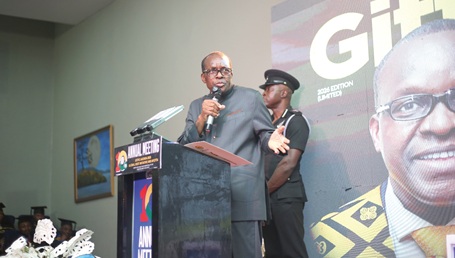
Ghana’s Speaker of Parliament, Alban Bagbin, called on African countries to develop a common position on debt and global financial reform, rather than pursue fragmented national efforts. He was speaking at the 10th Ghana International Trade and Finance Conference in Accra.
Bagbin advocated a global framework bringing together creditors, multilateral institutions, private lenders and development partners. But he said African countries should first build domestic consensus and strengthen continental cooperation.
“Africa is not seeking hand-outs from the international community but a fair system that would allow the continent to participate meaningfully in global economic decision-making,” he said.
Domestic accountability
Bagbin argued that Africa’s debt challenges could not be assessed solely through amounts owed, repayment capacity or available debt relief. While acknowledging historical injustices, including slavery and colonial exploitation, he urged countries to confront governance shortcomings and reconsider their development choices.
“How long can Africa continue to borrow from the future to pay for the past?” he asked, cautioning against repeating past mistakes in debt relief and citing Ghana’s experience under the Heavily Indebted Poor Countries initiative.
He also called for greater public-sector efficiency and accountability, including a review of conditions of service and expenditure. He warned that excessive administrative costs and benefits could put unsustainable pressure on public finances.
Turning relief into development
UN Resident Coordinator in Ghana Zia Choudhury said rising debt payments squeezed funding for schools, clinics, roads and other essential services. He said Ghana’s return to macroeconomic stability must translate into decent jobs, stronger local businesses and better public services.
Choudhury cautioned that debt relief alone was not a development strategy. He called for transparent public financial management so savings from lower debt payments could be invested in national priorities, and reaffirmed the UN’s commitment to working with GITFiC and other partners on fairer debt solutions.