Spain’s king calls for cooperation with Morocco during Ceuta visit
King Felipe VI called for good neighbourly relations with Morocco while reaffirming Spain’s sovereignty over Ceuta and Melilla. His visit with Queen Letizia followed the clearance of Ceuta’s last major migrant camp and a July influx of more than 70,000 people.
africanews.comSpainish police clear last Ceuta migrant beach camp ahead of king's visit
Sovereignty and cooperation
King Felipe VI called for “good neighbourly relations” with Morocco during his visit to Ceuta with Queen Letizia on Tuesday. He said Spain’s sovereignty over Ceuta and Melilla was not negotiable, while stressing the importance of cooperation with Rabat, which claims both North African territories.
Morocco recalled its ambassador to Madrid for consultations ahead of the trip. Some Spanish opposition politicians have accused Morocco of using migration for political purposes, an allegation rejected by Rabat and Spanish Prime Minister Pedro Sánchez.
Morocco’s King Mohammed VI criticised political and media statements that he said exploited the migration crisis, insisting that cooperation with Spain should not be subject to pressure or blackmail.
Crowds welcome royal couple
Thousands of residents lined Ceuta’s streets, waving Spanish and Ceuta flags and cheering the royal couple. Felipe and Letizia greeted residents before appearing on the Palace of the Assembly balcony alongside Ceuta’s president, Juan Vivas.
The couple also paid tribute at a cemetery to migrants who died trying to reach Ceuta. They were due to travel to Melilla on Wednesday. The trip marks the first visit by a Spanish monarch to the two territories since 2007.
Camp cleared before visit
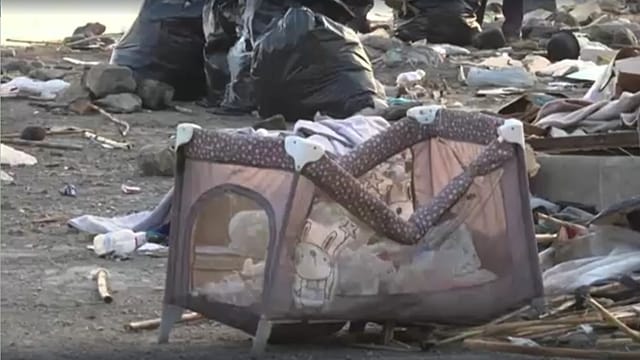
Police backed by soldiers cleared Ceuta’s last major migrant encampment on Sunday, two days before the royal visit. Residents were taken by bus to reception centres for processing, while some fled into nearby hills. Cleaning crews then cleared the makeshift shelters.
The settlement formed after more than 70,000 people entered Ceuta from Morocco on July 30 and 31. Scores died during the influx; most people returned to Morocco, but thousands remained for weeks, including people sleeping on streets and beaches.
Local divisions and political pressure
The crisis sparked political turmoil in Madrid and concerns across the European Union. Migration remains a major political issue ahead of Spain’s general election scheduled for November 29.
In Ceuta, some residents called for tighter border controls, while others criticised hostility towards migrants. Residents of El Príncipe sheltered women and children, and community representative Ahmed Enfed-Dal condemned attacks on shelters and attempts to obstruct Red Cross food deliveries.