Trump’s Russian diesel deal draws price doubts and Ukrainian criticism
Donald Trump’s deal with Vladimir Putin would release Russian diesel onto global markets under a temporary sanctions suspension. Analysts doubt it will significantly lower prices, while Volodymyr Zelenskyy says it undermines pressure on Russia.
theguardian.comTrump’s deal with Putin will have little impact on US diesel prices, experts say
aljazeera.comTrump’s diesel deal opens a new rift with Europe over Ukraine
Supplies and price doubts
The agreement announced by US President Donald Trump provides for 300,000 tonnes of Russian diesel in October, 500,000 tonnes in November and 1 million tonnes in December. Trump said the supplies would rapidly bring down diesel prices.
Energy analyst Ashley Kelty said the initial shipment was too small to affect prices and would take about three weeks to reach the US. The first allocation represents roughly three-quarters of one day’s US diesel consumption, according to calculations cited by the Guardian.
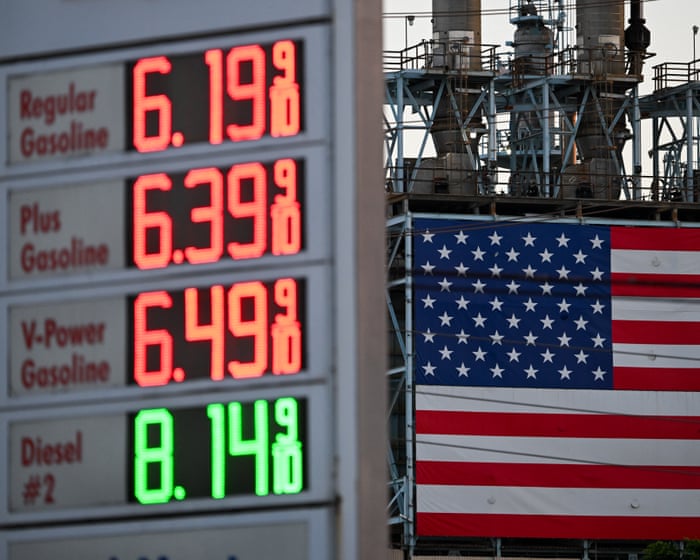
US diesel prices have risen almost 70% since the start of the Iran war, reaching about $6.30 a gallon, according to American Automobile Association figures reported by the Guardian. Treasury Secretary Scott Bessent defended the agreement as a way to lower prices.
Ukraine objects
Ukrainian President Volodymyr Zelenskyy called the deal a “weak decision” and said it would generate billions in additional revenue for Putin’s war effort. He argued that weakening sanctions without a lasting de-escalation agreement would not bring peace.
Trump blamed Ukrainian strikes on Russian energy infrastructure for rising fuel prices and called for Ukraine to replace Zelenskyy. Zelenskyy said he was prepared to stop attacking Russian refineries if Russia halted attacks on Ukrainian energy infrastructure.
Trump announced an energy ceasefire on Sunday, but subsequent accounts differ: the Guardian reported on Monday that Zelenskyy rejected the proposal unless Moscow first stopped its attacks; Al Jazeera reported on Tuesday that Ukraine had suspended refinery attacks while Russian strikes continued.
Supply uncertainty and European support
Political risk analyst Maximilian Hess said damage from Ukrainian drone strikes had limited Russian diesel output, making fulfillment of the deal unlikely. Russian Deputy Prime Minister Alexander Novak nevertheless claimed Russia could supply 3.5 million tonnes a month to global markets by year-end.
European Commission President Ursula von der Leyen said funding Ukraine would be “front and centre” at that week’s European Council summit, as European leaders backed Kyiv following the diesel agreement.